
Key Takeaways
- Luxury home construction costs are influenced by location, design complexity, materials, and customization.
- High-end finishes, premium appliances, and advanced technology significantly increase overall expenses.
- Labor costs for skilled craftsmen, whose expertise in craftsmanship is essential, and specialized contractors are higher in luxury builds.
- Site preparation, permits, and regulatory requirements can add substantial costs, especially in exclusive neighborhoods.
- Sustainable building practices and energy-efficient features are increasingly popular but may affect initial investment.
- Working with experienced architects and builders ensures quality, efficiency, and adherence to budget expectations.
- Transparent communication and detailed contracts help manage costs and avoid unexpected overruns.
When people first ask about luxury home construction costs, they often expect a simple price-per-square-foot answer. That number can be useful as a starting point, but it rarely tells the full story.
A luxury residence is priced through a mix of decisions, constraints, and complexity tied to the home itself, the lot beneath it, and the team responsible for bringing it to life. In coastal markets like Tampa Bay, that picture becomes even more layered because waterfront conditions, permitting standards, and structural requirements can change the budget in meaningful ways.
The strongest budgets are built on clarity, not shortcuts.
Luxury home construction costs start with more than square footage
Square footage matters, but it is only one part of the equation. Two homes with the same interior size can land at very different price points if one sits on a simple inland homesite and the other is designed for a waterfront parcel with extensive engineering, elevated construction, and premium exterior assemblies.
Industry data helps frame this reality. In the National Association of Home Builders’ 2024 Cost of Construction Survey, 64.4% of the average home sales price was tied to construction costs, while 13.7% was tied to finished lot costs. The same survey reported builder profit at 11.0% and overhead and general expenses at 5.7%. Those are national averages, not luxury coastal Tampa Bay benchmarks, though they illustrate an important point: home pricing is shaped by several major categories, not a single catch-all rate.
Luxury construction pushes this even further because buyers are not purchasing a standard product. They are investing in site-responsive design, craftsmanship, higher-performing materials, intricate architecture, and a home tailored to a specific lifestyle.
After the first budgeting conversation, these cost categories usually become the main focus:
- Lot acquisition
- Site preparation
- Structural systems
- Architectural detail
- Interior selections
- Permits and fees
- Labor coordination
- Builder overhead and profit
Construction scope and architectural complexity shape luxury home pricing
The design itself is one of the biggest cost drivers in a luxury build. A clean, well-proportioned plan can still be beautiful and refined, while remaining more efficient to construct than a home filled with complex rooflines, curved walls, specialty glazing, hidden structural requirements, and heavily customized millwork in every room.
Luxury buyers often want homes that convey elegance and feel distinct from anything around them. That goal has real value, though it also introduces added design time, more engineering coordination, and more field labor. Each custom decision can ripple through framing, mechanical systems, finishes, and schedule.
A few design choices tend to affect cost quickly:
- Ceiling design: Vaults, beams, coffers, and long clear spans usually require more structure and finish labor.
- Window and door packages: Large openings, impact-rated systems, and multi-panel glass walls can move the budget significantly.
- Kitchen and bath detailing: Appliance integration, natural stone fabrication, and custom cabinetry often account for a large share of interior finish cost.
- Indoor-outdoor living areas: Outdoor kitchens, covered lanais, retractable screens, and resort-style pool environments add substantial scope.
The important thing is not to avoid complexity. It is to choose it with intention. When every custom feature supports the way the home will be used, the spending tends to feel worthwhile and coherent rather than scattered.
Lot conditions and waterfront site work add major cost to luxury home construction
Lot cost is often underestimated during early planning. Yet the parcel itself can reshape the entire budget before vertical construction begins.
A finished lot is more than land with an address. It may carry demolition costs, tree issues, soil concerns, drainage requirements, utility work, retaining needs, or waterfront constraints. In coastal Florida, flood zones, stormwater management, and elevation requirements can affect foundation strategy and structural planning from day one.
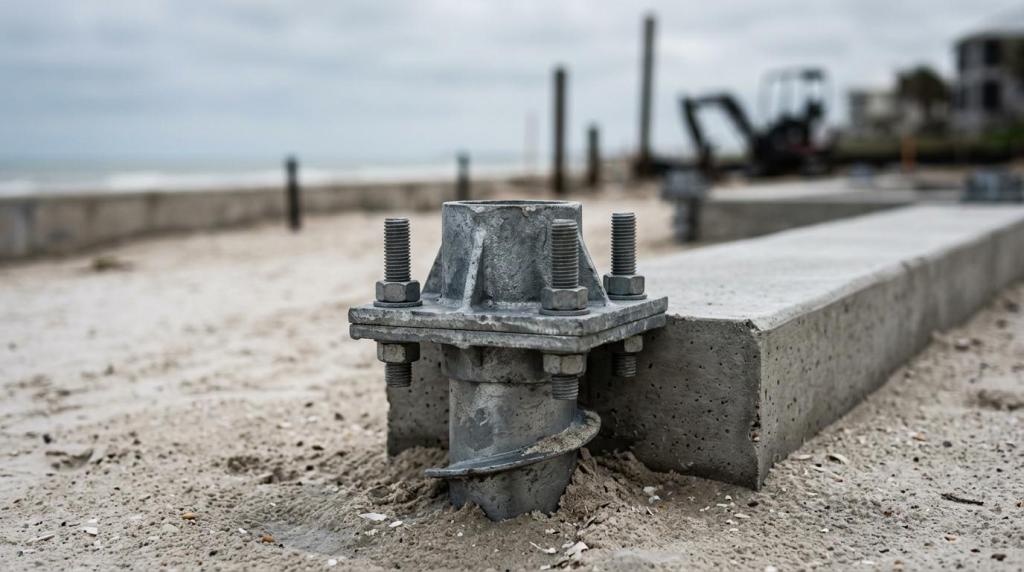
Waterfront and near-water sites often bring premium value, though they can also require premium preparation. That may include seawall work, geotechnical review, pile foundations, specialized grading, or access planning for tighter neighborhoods and sensitive shoreline conditions.
The table below shows how lot-related factors often influence luxury home pricing.
| Cost driver | Why it changes pricing | Typical effect on budget |
| Finished lot cost | Location, scarcity, waterfront frontage, neighborhood value | High |
| Demolition and clearing | Existing house removal, debris hauling, tree protection | Medium to high |
| Soil and foundation conditions | Weak soils, water table issues, engineering needs | High |
| Flood zone requirements | Elevation, breakaway walls, flood-resistant materials | High |
| Utility and connection work | Water, sewer, power upgrades, service relocation | Medium |
| Access limitations | Tight sites, staging issues, traffic or bridge limits | Medium |
| Shoreline improvements | Seawalls, docks, stabilization, drainage | High |
In many luxury projects, the lot is either the greatest opportunity or the greatest constraint. Often, it is both.
That is why lot guidance early in the process can be so valuable. A parcel that looks attractive during a casual showing may turn out to carry hidden construction burdens that affect both price and timing.
Labor, materials, and trade coordination affect luxury home budgets
Luxury homes rely on a dense network of skilled trades, where the elegance of the final product often depends on the craftsmanship of finish carpenters, cabinetmakers, tile installers, masons, glazing specialists, metal fabricators, and mechanical teams. Finish carpenters, cabinetmakers, tile installers, masons, glazing specialists, metal fabricators, and mechanical teams all contribute to the final result. When labor is tight, pricing rises, and schedules become more sensitive.
NAHB has also identified cost and availability of labor as a recurring concern for builders, along with inflation, impact and inspection fees, and regulatory pressure. Those pressures are especially noticeable in high-end construction because luxury homes demand precision work and craftsmanship that cannot simply be replaced with generic labor.
Materials matter just as much, though not always in the way buyers expect. The biggest swings are not always tied to a single expensive finish. They often come from the accumulation of quality across the entire project: better framing packages, stronger exterior envelopes, larger openings, premium mechanical systems, designer lighting, stone fabrication, specialty hardware, and higher-performance roofing or insulation assemblies.
This is where coordination matters as much as selection. A remarkable product installed poorly is still a poor investment.
Strong builders help protect value by managing:
- procurement timing
- trade sequencing
- quality control
- field supervision
- lead-time planning
- substitution risk
When those basics are handled well, the project is more likely to stay on track and the finish level is more likely to match the original intent.
Permits, impact fees, and coastal regulations influence luxury home price and schedule
Regulatory costs are real construction costs. They may not be as visible as marble slabs or custom windows, but they are part of what it takes to move a luxury home from concept to certificate of occupancy.
Public construction data from the U.S. Census Bureau treats construction spending broadly, including labor, materials, architecture and engineering work, overhead, taxes and interest paid during construction, and contractor profits. That wider definition is useful because it reflects how real budgets function in practice. The true cost of a home includes the work behind the walls and the work behind the paperwork.
For high-end homes in Florida, approvals can involve more than a basic permit set. That broader approval path is familiar in other coastal markets as well, and Clearview Pool Solutions notes in its pool approvals guide that added reviews often affect both consultant involvement and overall project timing. Coastal and waterfront projects may face stricter review tied to storm resilience, flood compliance, drainage, environmental issues, or local design standards. Every required review adds time, professional input, and sometimes redesign.
Common regulatory cost areas include:
- Permitting: Building permit fees, plan review costs, and revision submissions.
- Impact and hook-up fees: Charges for utility connections and municipal infrastructure.
- Engineering and surveys: Boundary surveys, elevation certificates, drainage studies, structural review.
- Inspection requirements: More site visits, testing, and coordination with local authorities.
These costs are not signs that something has gone wrong. They are part of building responsibly in a place where climate, safety, and land value all matter.
How Design/Build planning improves luxury home cost control
Cost control in luxury construction does not come from stripping out character. It comes from making key decisions in the right order.
A full-service Design/Build structure can help because design, budgeting, and construction planning are handled as one connected process rather than separate silos. When the design team and builder work together from the outset, pricing feedback can shape the plan before drawings reach a costly stage of revision.
That is particularly useful in one-of-a-kind homes, where repeating a stock plan is not the goal. Early collaboration can reduce errors, omissions, and change orders while giving the homeowner a clearer picture of tradeoffs. If a dramatic stair design, a wider glass system, or a larger outdoor living area matters most, the budget can reflect that priority while other areas are adjusted intelligently.
A disciplined pre-construction process usually creates better outcomes because it answers the hard questions early:
- Scope: What is essential to the way the home will live and perform?
- Site response: What does the lot require structurally and logistically?
- Selections: Which materials need early commitment due to lead times or price sensitivity?
- Allowances: Which categories are still open, and how realistic are the placeholder numbers?
- Contingency: What unknowns deserve room in the budget from the start?
This kind of planning does not eliminate every surprise. It does put the project in a much stronger position.
Frequently Asked Questions (FAQs)
What factors most impact the cost of luxury home construction?
Key factors include location, size, architecture, choice of materials, level of customization, and labor costs.
How do luxury finishes and appliances affect the budget?
Premium finishes and high-end appliances can significantly increase the total construction cost due to their quality and exclusivity.
Are sustainable features more expensive in luxury homes?
While sustainable and energy-efficient features may raise upfront costs, they often provide long-term savings and enhance property value.
Why is it important to hire experienced professionals for luxury builds?
Experienced architects and builders ensure superior craftsmanship, efficient project management, and adherence to high standards.
Can construction costs vary by region?
Yes, costs can fluctuate widely depending on local labor rates, material availability, and regional regulations.
How can I avoid unexpected expenses during construction?
Clear contracts, detailed planning, and regular communication with your builder help prevent cost overruns and surprises.
A practical budget framework for luxury home construction
The most successful luxury homeowners approach budgeting with both vision and discipline. They know the goal is not the cheapest path. It is the smartest use of resources to create a home that will exude elegance and feel right for many years.
A practical framework starts by separating three major buckets: the lot, the house, and the soft costs. The lot includes land price and any site-related work needed to make it build-ready. The house includes structure, systems, finishes, outdoor living features, and builder-led construction management. Soft costs include design fees, engineering, permits, surveys, financing-related expenses, and other pre-construction or administrative items.
It also helps to rank priorities before design work begins. Some owners care most about a signature kitchen, a dramatic waterfront living room, and exceptional outdoor entertaining space. Others care more about long-term durability, energy efficiency, privacy, and low-maintenance materials. Those are different homes, and they should be budgeted differently.
One simple but powerful question can guide every decision: what parts of this home must feel extraordinary every single day?
That question tends to sharpen the process. It keeps investment focused on the spaces, details, and systems that matter most, while reducing the temptation to overspend in areas that add little to daily life.
For luxury buyers in Tampa Bay and other coastal communities, pricing is rarely driven by one issue alone; it is a result of various factors, including the craftsmanship involved in creating bespoke living spaces. It is shaped by site conditions, architectural ambition, structural demands, labor quality, permitting, and the skill of the team coordinating it all.
When those factors are addressed early and openly, the budget becomes less of a moving target and more of a strategic plan for building something lasting, personal, and genuinely exceptional.

Customer Reviews
[…] few cost drivers show up again and again in custom residential […]